
Growing a living enterprise
around bees.
A practical first-stage apiary in Sissala West, built around local resources, responsible production and a clear path to market.
From a prepared site to a productive apiary.
Hamid Badung's Bee Keeping Farms is an SME beekeeping enterprise based in Sissala West District, Upper West Region. The initial plan is to establish all 20 hives, build healthy colonies and develop reliable market access.
A landscape with a natural role to play.
The proposal identifies savanna vegetation rich in shea, dawadawa and acacia, two flowering seasons, an accessible prepared site, and market links toward Tumu, Wa and Bolgatanga.
The work is hands-on.
The opportunity is real.
From inspecting colonies to understanding the bee and preparing honey for market, the enterprise is built around practical beekeeping.

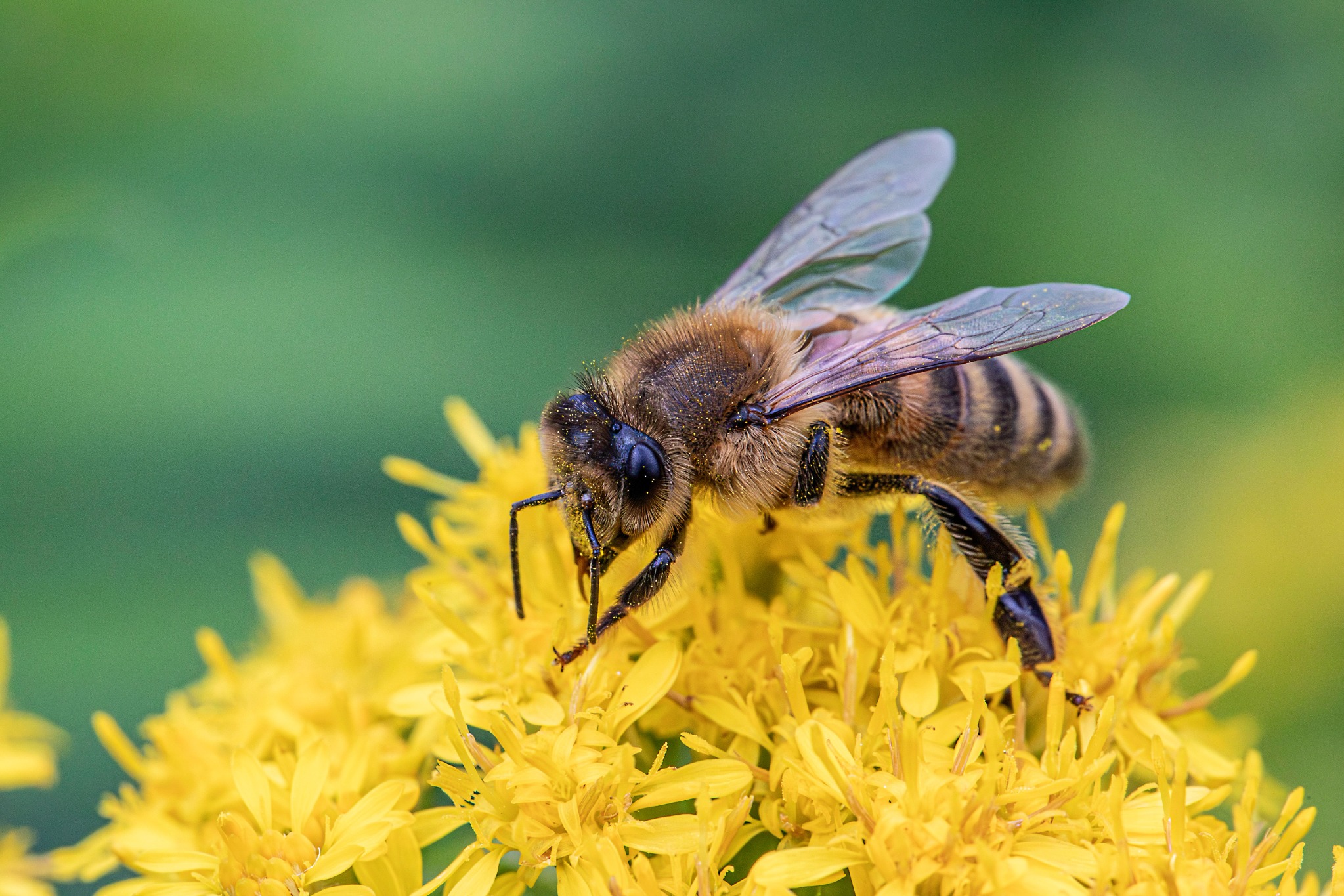
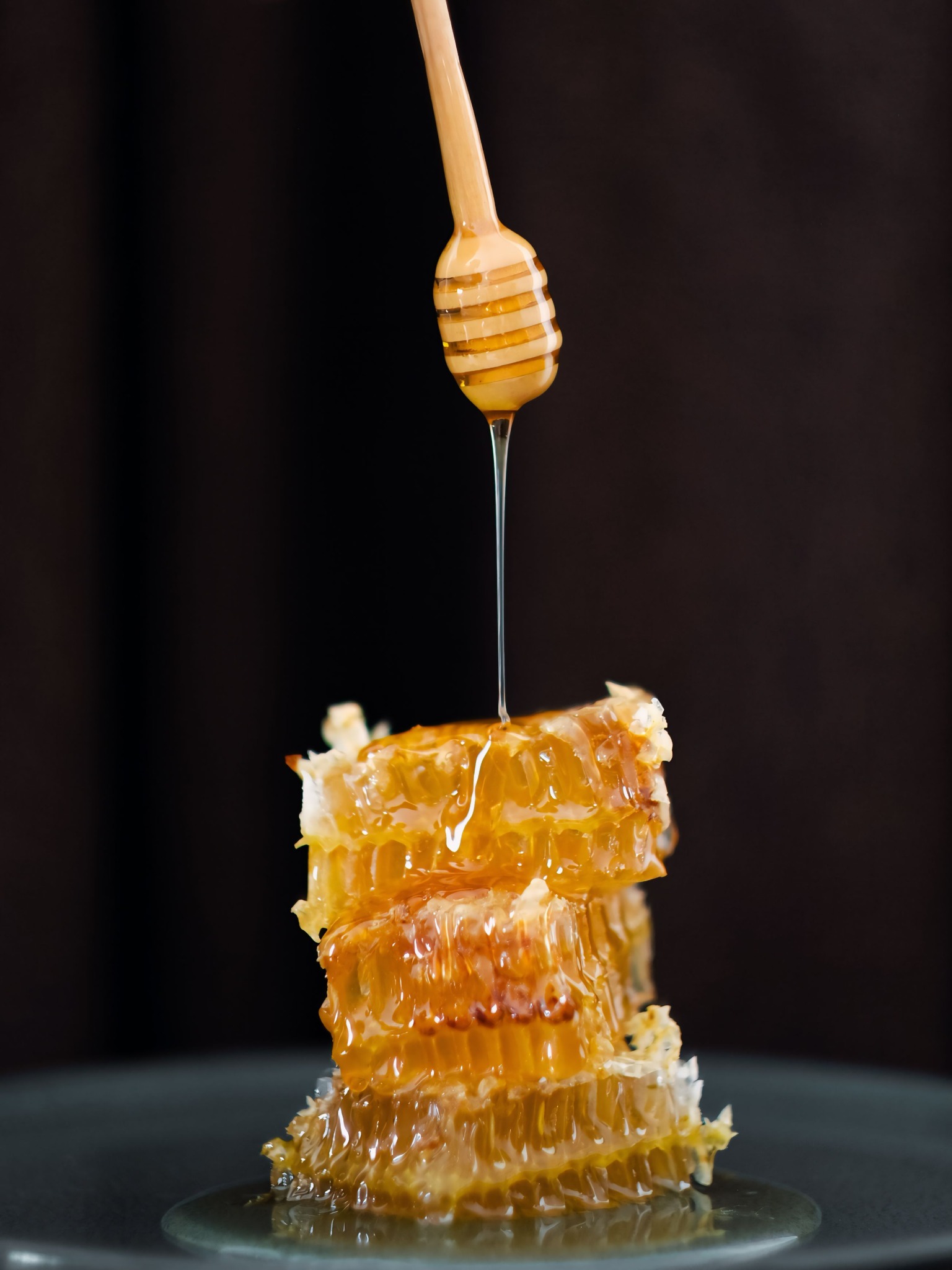
Local hives.
Healthy colonies.
Market-ready honey.
Products from the hive.
Start with the core products identified in the proposal, then develop additional value from the apiary as the enterprise grows.
Beeswax
A hive by-product with potential applications in cosmetics and candles.
Explore value addition ↗What's next?
Propolis and pollination services are identified as future opportunities.
Explore future opportunities ↗Every cedi has a job.
The GHS 20,000 proposal is structured to establish the complete first-stage apiary — hives, colonies, protective gear, processing equipment, site work and working capital.
Twenty hives. One system.
Kenya Top Bar Hives form the initial production system, with 2–3 harvests per year projected as colonies establish and the apiary matures.
Install
Procure 20 hives, stands and gear.
Colonise
Allow colonies to establish.
Harvest
First harvest and first sales.
Expand
Second and third harvests.
Scale
Next-stage growth.
More value from
the hive.
Beeswax is identified as a hive by-product with potential applications in cosmetics and candles. This creates a pathway to develop value beyond bottled honey as the enterprise grows.
Beeswax
Recover and prepare beeswax as a secondary hive product.
Cosmetics
Explore beeswax applications in cosmetic products as the enterprise develops.
Candles
Explore candle-making as another potential use for beeswax.
Build the core.
Then widen the offer.
The proposal identifies propolis and pollination services as future opportunities. They sit beyond the first-stage honey and beeswax model and can be developed as the apiary and market relationships mature.
Propolis
Future product opportunity identified in the proposal.
Pollination services
Future service opportunity as the enterprise expands.
A growing route
to market.
The starting point for the market route, with the initial sales pathway focused on local markets, shops, shea cooperatives and direct WhatsApp customers.
Start local.
Grow outward.
The proposed route starts close to the farm, builds dependable local demand, then expands toward larger northern and national markets as production grows.
More than honey. A local enterprise.
The proposal identifies 1 direct job and 3 indirect jobs as part of the enterprise structure, with room for wider activity as production and markets grow.
Build a viable rural enterprise — then grow it.
The project creates a foundation for expanded operations, additional bee products and future scaling.
Planning for the realities of the hive.
The proposal pairs the production model with practical measures for common operating risks.
Colony loss
Proper placement, water and beekeeper support.
Drought
Two flowering seasons and supplementary feeding.
Price
Honey can be stored, providing flexibility around sales timing.
Theft
Community engagement and metal stands.
Help establish the first 20 hives.
The project is seeking support to establish the initial apiary and move from a prepared site into production.
Upper West Region, Ghana